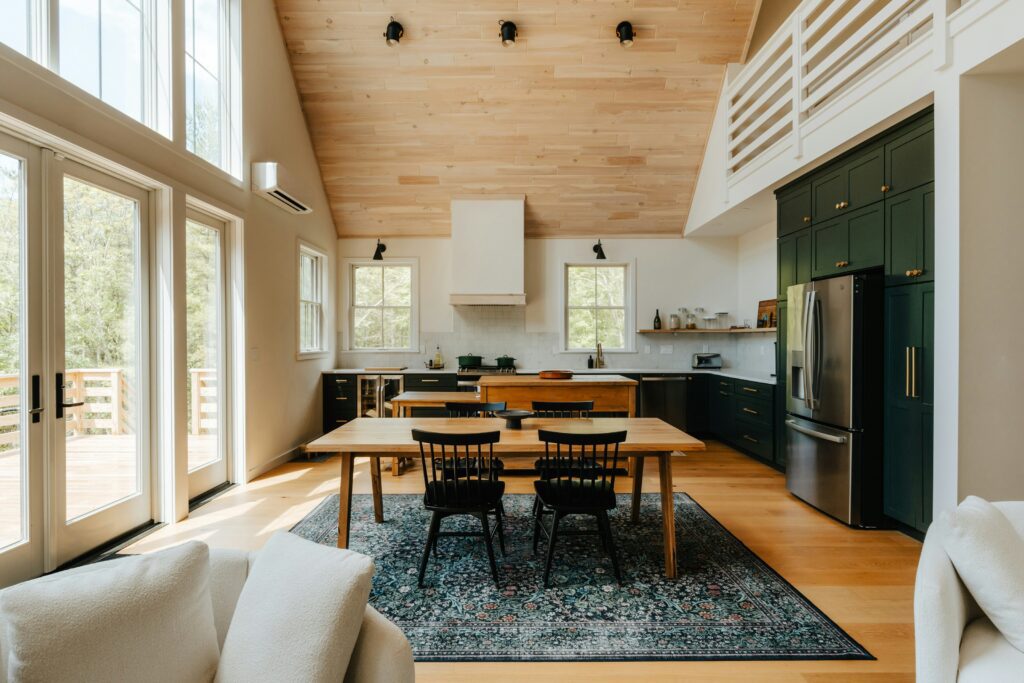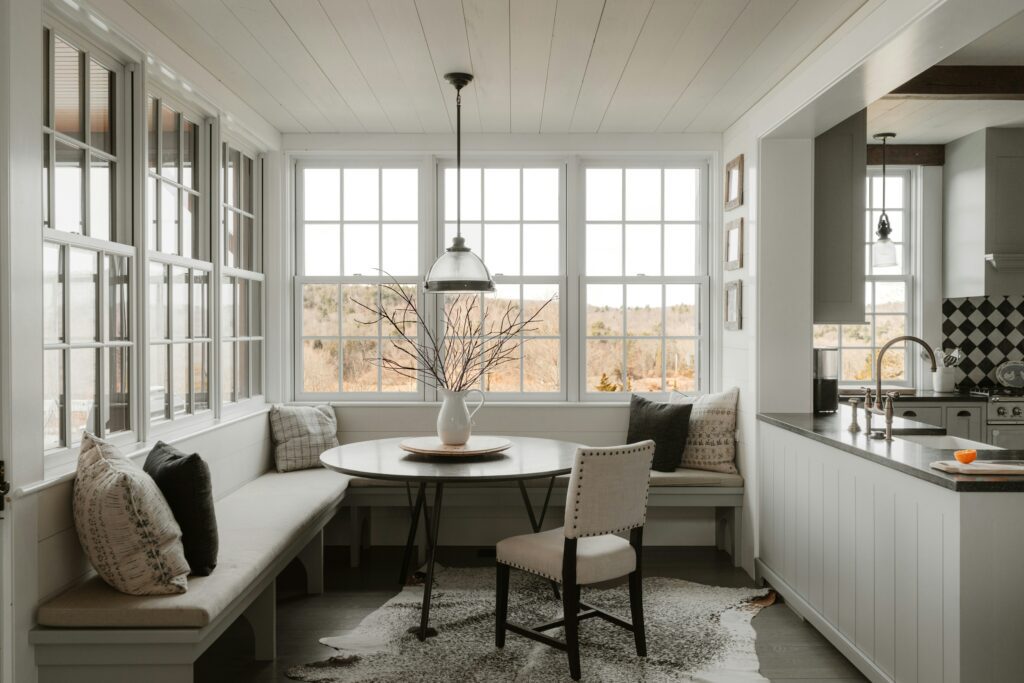
Kitchen remodels are the most popular home improvement project, and costs vary dramatically based on your goals and choices. Expect to invest $25,000-$75,000 for a standard kitchen renovation, $75,000-$125,000 for an upscale remodel, and $125,000+ for luxury or full-structure renovations. On a per-square-foot basis, kitchen work runs $150-$400+ depending on finish quality and complexity. A minor refresh—new countertops, backsplash, paint, and hardware—might cost $8,000-$15,000, while a complete gut-and-rebuild with layout changes, high-end appliances, and custom cabinetry easily exceeds $150,000. Your biggest cost drivers are cabinetry (30-40% of budget), labor (25-35%), and appliances (15-20%).
Budget-Friendly Refresh ($8,000-$25,000)
If your layout works and cabinets are structurally sound, a cosmetic update delivers impressive results without breaking the bank. This tier includes painting or refacing existing cabinets ($3,000-$8,000), new laminate or quartz countertops ($2,500-$5,000), peel-and-stick or ceramic tile backsplash ($800-$2,000), upgraded lighting fixtures ($500-$1,500), new hardware and faucet ($400-$800), and fresh paint ($500-$1,200). You’re keeping the existing footprint, plumbing locations, and electrical layout. This approach works beautifully for rentals, pre-sale updates, or when your kitchen functions well but looks dated. Results feel transformative even though you haven’t touched major systems.
Standard Renovation ($25,000-$75,000)
Most full kitchen remodels fall in this range, delivering new everything while maintaining the existing footprint. You’ll get stock or semi-custom cabinets ($8,000-$25,000), quartz or granite countertops ($3,500-$8,000), mid-range appliances including refrigerator, range, dishwasher, and microwave ($5,000-$12,000), ceramic or porcelain tile flooring ($2,500-$5,000), subway tile or stone backsplash ($1,500-$3,500), new sink and faucet ($600-$1,800), recessed lighting and undercabinet lights ($1,500-$3,000), and complete installation labor. This tier handles cosmetic work plus necessary electrical and plumbing updates to code, but doesn’t involve moving walls or major structural changes.
Upscale Remodel ($75,000-$125,000)
Upscale kitchens enter semi-custom and custom cabinet territory with soft-close drawers, pull-out organizers, and premium finishes ($20,000-$45,000). Countertops upgrade to high-end quartz, granite, or marble with waterfall edges and decorative details ($6,000-$15,000). Appliances become professional-grade—Wolf or Thermador ranges, Sub-Zero refrigeration, Bosch or Miele dishwashers ($15,000-$30,000). Flooring shifts to hardwood or large-format tile ($4,000-$8,000). Backsplashes feature natural stone, glass mosaics, or slab applications ($3,000-$7,000). This budget includes minor layout modifications like removing a short wall section, adding an island, or bumping out a window. Lighting becomes statement fixtures plus comprehensive task and ambient layers.
Luxury and Structural Renovations ($125,000+)
Top-tier kitchens involve significant spatial changes—removing load-bearing walls to create open concepts ($8,000-$25,000 including engineering and structural work), adding square footage through additions ($50,000-$150,000), or completely reconfiguring layouts. Custom cabinetry from specialized makers runs $40,000-$80,000+. Exotic stone countertops like quartzite, marble, or Calacatta gold cost $12,000-$25,000. Professional-grade appliance packages top $40,000. Hardwood flooring covers $8,000-$15,000. Smart home integration, commercial-grade ventilation, and luxury lighting add $10,000-$20,000. These projects often discover structural issues requiring foundation work, floor system reinforcement, or complete electrical service upgrades that weren’t visible during planning.
What Drives Your Final Price
Cabinet quality creates the biggest price swing—stock cabinets cost $100-$300 per linear foot, semi-custom run $300-$650, and custom cabinetry exceeds $650-$1,500 per linear foot. Moving plumbing lines adds $1,500-$5,000 per fixture relocated. Removing walls requires engineering ($1,500-$5,000), permits, structural beams, and finish work. Island additions with plumbing and electrical run $8,000-$20,000 beyond cabinet costs. Appliance packages range from $3,000 for builder-grade to $50,000+ for professional Wolf/Sub-Zero suites. Flooring varies from $3-$8/square foot installed for tile to $12-$25 for hardwood. The more you customize and the more you change your layout, the faster costs escalate.
Hidden Costs to Anticipate
Once walls open, expect surprises in kitchens over 30 years old: outdated wiring requiring panel upgrades ($3,000-$8,000), rotten subfloors from old leaks ($2,000-$6,000), inadequate structural support for heavy stone countertops ($1,500-$5,000), or plumbing that doesn’t meet code ($2,000-$5,000 to bring current). Plan for a temporary kitchen setup—you’ll spend $1,500-$3,000 extra on takeout and convenience foods during the 6-12 week construction period. Add 10% for the “while we’re at it” syndrome—upgrading adjacent flooring, repainting connecting rooms, or replacing worn trim once new kitchen makes everything else look shabby.
Local Kitchen Renovation Costs
Nashville & Middle Tennessee
Nashville’s hot market pushes kitchen costs 10-15% above national averages. Standard renovations run $30,000-$80,000, upscale projects $80,000-$135,000. Cabinet installers and tile contractors command premium rates due to high demand—expect $85-$125/hour for skilled trades. Popular neighborhoods like East Nashville, 12 South, and Green Hills see higher-end finishes as standard, with many homeowners investing $100,000+ to match neighborhood expectations. Older Nashville homes (1920s-1960s) often need significant electrical upgrades since original 100-amp service can’t handle modern kitchen loads—add $4,000-$8,000. Permit fees through Metro Nashville run $800-$1,500 for typical kitchen remodels. Lead times for custom cabinets from local makers run 12-16 weeks.
Atlanta Metro
Atlanta’s competitive market offers more pricing flexibility than Nashville. Standard kitchen renovations run $28,000-$70,000, upscale $70,000-$110,000. North Atlanta suburbs (Alpharetta, Roswell, Johns Creek) and Buckhead lean heavily toward luxury finishes and professional appliances, while southern metro and east Atlanta neighborhoods often prioritize functional updates with strong ROI. Labor rates average $70-$105/hour for experienced crews. Many 1960s-1980s Atlanta ranch homes have outdated polybutylene plumbing that insurance companies require replacement during major kitchen work—add $3,000-$8,000. Georgia’s termite exposure means opened walls often reveal damage requiring treatment and repair ($2,000-$8,000). Stone fabricators are plentiful, keeping countertop costs competitive.
Indianapolis & Central Indiana
Indianapolis offers the most affordable kitchen renovation costs in our service areas. Standard remodels run $25,000-$65,000, upscale $65,000-$100,000. Quality work costs 5-15% less than coastal markets without sacrificing craftsmanship. Skilled trade labor runs $65-$95/hour. The challenge is lower home values mean you must watch ROI carefully—over-improving is easier when $80,000 kitchens exceed neighborhood norms. Carmel and Zionsville homeowners typically invest in higher finishes, while Indianapolis proper and surrounding areas focus on functional, tasteful updates. Many older Indianapolis homes have undersized electrical (100-amp service) that modern kitchens strain—budget $3,500-$7,000 for panel upgrades. Appliance selection matters for resale—professional-grade packages are expected in Hamilton County but can be overkill elsewhere.
Rural Areas
Rural kitchen renovations save 10-20% on labor costs ($55-$85/hour versus metro rates), but material delivery fees and travel charges for specialized trades offset some savings. Standard renovations run $22,000-$60,000, upscale $60,000-$95,000. Cabinet and countertop selections may be more limited—many homeowners drive to metro areas for showrooms, then hire local installers. Permit requirements are often simpler and cheaper ($200-$600), though inspector availability means longer wait times between rough-in and final inspections. Septic systems may need evaluation when adding fixtures—most can handle a kitchen sink and dishwasher without upgrades, but it’s worth confirming. Stone fabrication and custom cabinetry typically require ordering from metro suppliers with 8-12 week lead times.
Quick Tips for Kitchen Budget Planning
→ Allocate 10-15% for cabinets alone—they’re your biggest single expense and most visible element
→ Choose your appliances early—dimensions affect cabinet layout and delays derail timelines
→ Keep the sink location if possible—moving plumbing adds $2,000-$5,000 and complexity
→ Shop remnant stone yards—save 40-60% on countertops for smaller kitchens under 50 square feet
Next Step: Ready for a detailed estimate tailored to your specific kitchen, goals, and budget? We’ll visit your home, discuss your vision, and provide transparent pricing that accounts for your home’s age, location, and any likely surprises. Whether you’re in Nashville, Atlanta, Indianapolis, or anywhere across our Tennessee, Georgia, and Indiana service areas, we’ll help you invest your dollars wisely for maximum impact and enjoyment.